
Te Awamutu · Waikato
Radiator recoring and rebuilds
New cores fitted to your existing tanks and frame. On older units and heavy plant it's frequently the better call, and sometimes the only one.
What recoring actually means
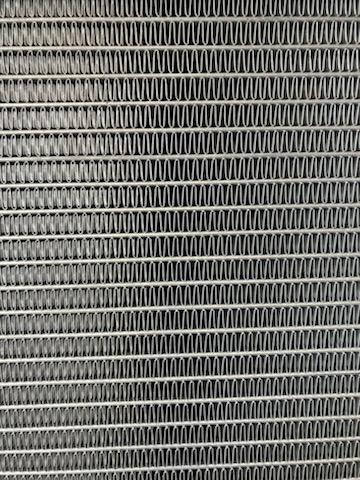
A radiator is essentially two parts: the core, which is the honeycomb of tubes and fins that does the cooling, and the tanks and frame that hold it together and carry the connections. The core is the part that corrodes, blocks and splits. The tanks and frame usually outlive it.
Recoring means removing the tired core and fitting a new one into your existing tanks. You keep the mounting points, the fittings and the fitment that suits your machine, and you get new cooling capacity. On copper-brass construction it is a clean, well-established repair.
When recoring beats replacing
For a late-model car, a replacement radiator is usually available off the shelf and recoring rarely makes sense. Past that, the picture changes quickly.
On older vehicles, heavy plant, trucks and anything where a new unit either doesn't exist or has to be ordered in from overseas, recoring is often faster and cheaper than waiting for a replacement, assuming one can be found at all. On vintage and classic vehicles it also keeps the original, correct-looking radiator in the car rather than a modern substitute.
There's a practical test underneath all of it: are the tanks and frame sound? If they are, recoring is usually worth doing. If they're not, we'll tell you.
Copper-brass and why it's still used
Most modern car radiators are aluminium with plastic tanks: light, cheap to make, and effectively disposable, because they can't be practically repaired or recored. Heavy and older units are typically copper-brass, which is heavier and more expensive but can be soldered, repaired and recored over and over.
That repairability is the whole reason a specialist radiator workshop exists. It's also why a heavy machine radiator can stay in service for decades with periodic new cores.
Recore or replace?
The honest answer changes with the unit. Here's how the two actually compare, so you can see where yours sits.
Recoring wins when
- The tanks and frame are still sound
- It's heavy plant, a truck, or a tractor
- No off-the-shelf replacement exists
- A new unit means a long wait from overseas
- It's copper-brass construction
- Original fitment and appearance matter
Replacing wins when
- It's a common late-model car or ute
- The unit is aluminium with plastic tanks
- The tanks themselves are corroded through
- A replacement is on the shelf and cheap
- The frame has been damaged in a hit
If the tanks and frame are sound, recoring is usually worth doing. If they're not, we'll tell you straight rather than take the job.
Common questions
Is recoring cheaper than a new radiator?
It depends on the unit. On heavy plant, trucks and older vehicles it frequently is, especially once you factor in lead time on a replacement. On a common late-model car a new radiator is usually the sensible option. We'll give you a straight comparison for your unit.
How long does a recore take?
It depends on the size of the unit and what's in the queue. Ring the workshop with the details and we'll give you a realistic timeframe rather than an optimistic one.
Will a new core cool better than the old one?
Almost always, yes. A core that's been in service for years is partly blocked internally with scale and externally with dirt, both of which cut its capacity well before it ever leaks.
Can you recore an aluminium radiator?
Usually not. Aluminium and plastic construction generally isn't built to come apart. Copper-brass is the material that recores well. Bring it in and we'll tell you which you've got.
Also from the workshop
Related services
Industrial radiator repair
Earthmoving, forestry, quarry and plant radiators. Modular cores, full rebuilds and units that need a crane to move.
Read moreTruck radiator repair
Logging, transport and fleet radiators. Bolt-together commercial units recored and rebuilt to get the truck back on the road.
Read moreVintage and classic radiators
Old copper-brass work that most workshops turn away. Recored, repaired and finished to suit the vehicle.
Read moreGot a radiator that needs looking at?
Give the workshop a call and talk it through. If it's easier, send photos and the details through the enquiry form and we'll come back to you.