
Te Awamutu · Waikato
Cooling system servicing and diagnostics
Flushes, pressure testing, hoses, fan belts, thermostats and water pumps. The whole system, not just the radiator.
The radiator is one part of a system
Coolant is pushed around by a water pump, regulated by a thermostat, carried by hoses, held under pressure by a cap and cooled by the radiator with help from a fan. Any one of those failing shows up as the same symptom: the temperature gauge going the wrong way.
Because the symptom is shared, the diagnosis matters more than the part. We test the system rather than guessing at which component to replace.
Why flushing matters
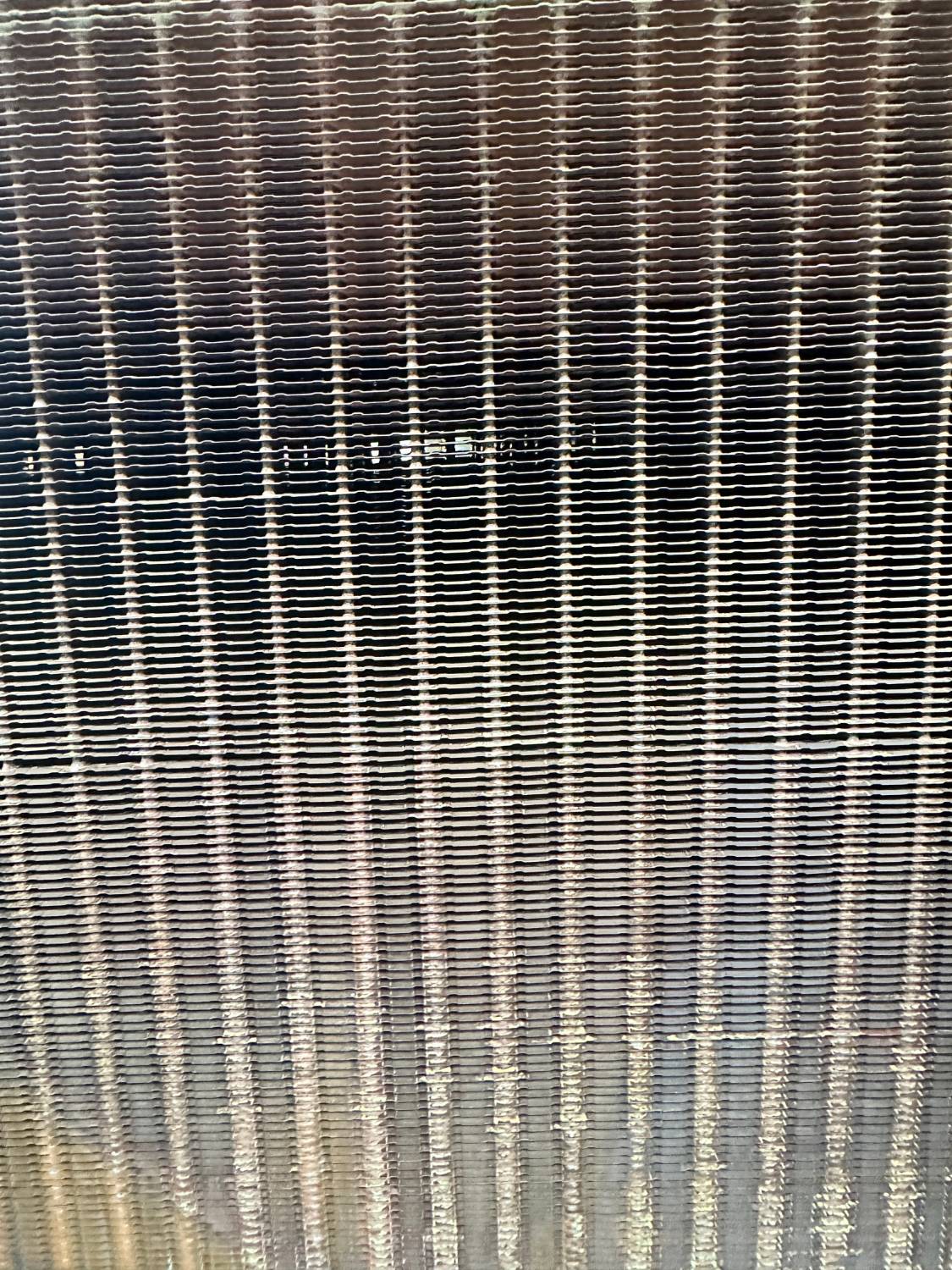
Coolant does more than move heat. It carries corrosion inhibitors that stop the inside of the system eating itself, and those inhibitors deplete over time. Once they're gone, corrosion products start building up inside the radiator core and circulating through the engine.
That build-up is why an old cooling system loses capacity long before anything actually leaks. Flushing clears it out and fresh coolant restores the protection.
What a service actually covers
The radiator is one part of a system. Servicing it properly means looking at the rest of the loop too.
- 01
Pressure test
System brought up to pressure to find leaks before anything is dismantled.
- 02
Flush
Old coolant and the corrosion products it's carrying cleared out of the block and core.
- 03
Inspect the loop
Hoses, clamps, cap, thermostat, water pump and fan belt all checked.
- 04
Refill
Fresh inhibited coolant at the right mix, so the corrosion protection is back.
- 05
Re-check
Run up to temperature and re-checked before it goes.
Common questions
How often should a cooling system be flushed?
It varies with the coolant type, the vehicle and how hard it works. If you can't remember the last time it was done, it's due. Ask us and we'll give you a sensible interval for your vehicle or machine.
My coolant looks rusty. Does that matter?
Yes. Discoloured coolant usually means the corrosion inhibitors are spent and the system is starting to corrode internally. That material ends up restricting the radiator core.
Can I just top it up with water?
In an emergency, to get somewhere. Long term, water alone has no corrosion protection and a lower boiling point, so it accelerates exactly the damage you're trying to avoid.
Also from the workshop
Related services
Car and ute radiators
Leaks, overheating and replacement radiators for everyday vehicles. Same workshop, same testing, smaller job.
Read moreTractor and farm radiators
Tractors, harvesters, loaders and irrigation plant. Field-dirty cores cleaned, tested, repaired or recored.
Read moreOil coolers and intercoolers
Hydraulic oil coolers, intercoolers, transmission coolers and condensers. Repaired and pressure tested in-house.
Read moreGot a radiator that needs looking at?
Give the workshop a call and talk it through. If it's easier, send photos and the details through the enquiry form and we'll come back to you.